
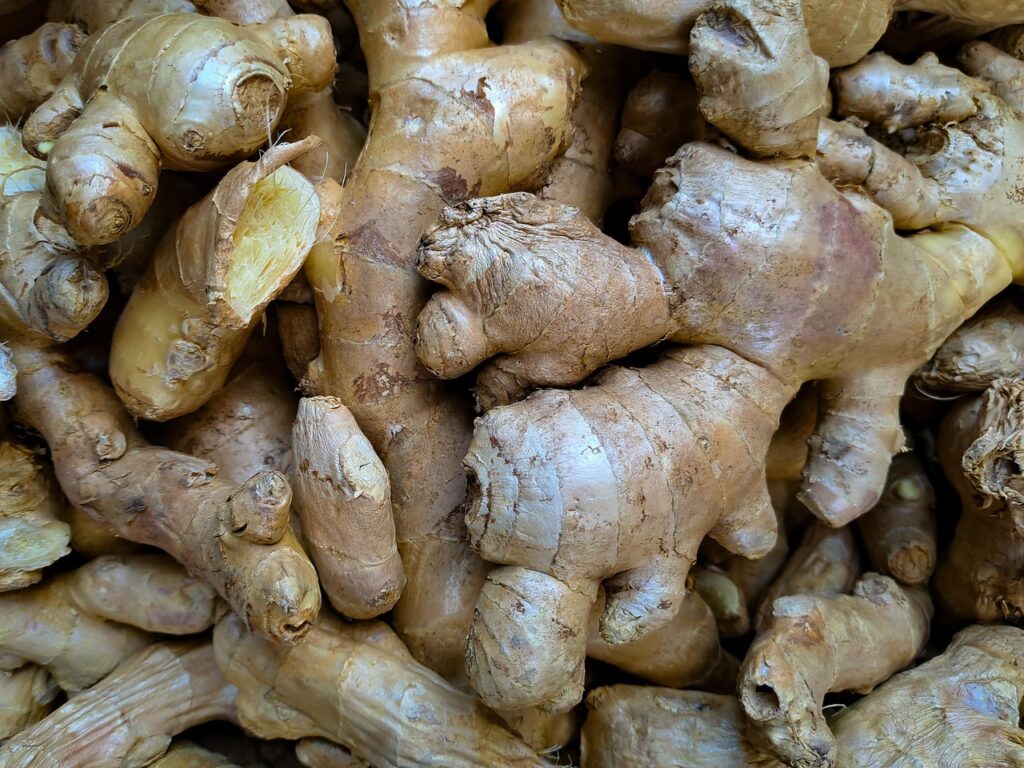
Ginger tea is one of the oldest healing beverages in human history. From ancient Asian forests to modern kitchen shelves, ginger has traveled a long journey, filling generations with warmth, healing, and comfort.
But ginger tea is more than just a drink. It is a story. A tradition. A daily ritual that has connected people across cultures and centuries.
This blog takes you on that journey, through the history of ginger tea, its health benefits, an easy story-style recipe, and how brands like Chaiteria are keeping this ancient tradition alive with modern convenience.
1. The Ancient Story of Ginger: How It All Began
Long before spices became commodities and teas became a daily drink, there was ginger, a wild root growing in the deep, tropical forests of Southeast Asia.
It wasn’t fancy. It wasn’t expensive. But it had a power that people felt the moment they tasted it.
Ancient travelers observed that this strange-looking root had magical qualities:
- It warmed the body
- It soothed the stomach
- It lifted mood
- It healed colds and coughs
Curious healers began boiling it in clay pots, unaware that they were creating the earliest version of what we now call ginger tea.
Ginger in Ancient India
In India, Ayurveda named ginger “महौषध”, the great medicine. It wasn’t simply a spice; it was a healer.
Ayurvedic texts mention that ginger water was used for:
- Digestive issues
- Fever
- Nausea
- Body pain
- Immunity
Healers would boil freshly crushed ginger in water and give it to travelers, pregnant women, elderly people, and children with cough.
This was ginger tea before tea was even invented.
Ginger in Ancient China
The Chinese believed that ginger warmed the “qi,” the body’s life energy. Scholars recommended ginger water for:
- Improving digestion
- Fighting infections
- Keeping the body warm in winter
They also added honey to ginger water, creating one of the earliest flavored herbal teas.
The Middle East and Europe
Arab traders carried ginger across desert caravans. Europeans treated it like gold. Ginger became a prized medicinal spice during medieval winters.
Boiled ginger drinks became common, slowly evolving into structured herbal teas.
By this point, ginger had already traveled half the world, building a legacy of trust and healing.
2. When Ginger Met Tea Leaves: The Birth of Ginger Tea
For centuries, ginger water existed separately from tea. Tea culture evolved mainly in China and Japan; ginger water was popular in India and Southeast Asia.
At some point, no one knows exactly when, an ordinary person made an extraordinary decision:
They added ginger to boiling tea leaves.
This moment created something new—ginger tea.
This fusion offered the combined benefits of:
- Herbal medicine
- Relaxing tea
- Comforting warmth
Slowly, cultures around the world adapted ginger tea in their own way:
- India added jaggery, tulsi, black pepper, and cardamom.
- China added honey.
- Japan blended it with mild green tea.
- Middle Eastern regions added cinnamon or cloves.
No matter the version, ginger tea represented warmth, care, and healing.
3. Ginger Tea in the Modern World
Today, ginger tea is everywhere:
- At home during cold and cough
- In offices for energy
- In yoga studios for detox
- In winter as comfort
- In hotels for luxury wellness
- In daily routines for digestion
Modern consumers love ginger tea because it is:
- Natural
- Easy to prepare
- Free from side effects
- Good for immunity
- Great for weight loss
- Tasty and refreshing
Brands like Chaiteria carry this ancient ritual forward with high-quality ingredients, making ginger tea accessible to everyone.
4. Top 20 Proven Health Benefits of Ginger Tea
Ginger tea is not just a tasty beverage—it is a natural powerhouse. Below are the most important benefits supported by traditional knowledge and modern science.
1. Improves Digestion
Ginger stimulates stomach enzymes and helps break down food. It reduces:
- Gas
- Bloating
- Acidity
- Indigestion
A cup of Chaiteria Ginger Tea after meals can help your stomach feel lighter.
2. Boosts Immunity
Ginger is rich in antioxidants. It helps the body fight:
- Viral infections
- Flu
- Cold and cough
Regular consumption strengthens your immune system.
3. Relieves Nausea
Ginger is well-known for reducing nausea caused by:
- Travel
- Pregnancy
- Indigestion
- Motion sickness
A warm cup of ginger tea provides quick relief.
4. Reduces Inflammation
Ginger contains gingerol, a powerful anti-inflammatory compound. It helps reduce:
- Joint pain
- Muscle pain
- Swelling
Ideal for people with arthritis or stiff muscles.
5. Aids Weight Loss
Ginger boosts metabolism and burns more calories. It reduces cravings and helps control appetite.
6. Clears Cold and Cough
Ginger tea warms the body, clears mucus, and gives relief from sore throat and chest congestion.
7. Supports Heart Health
Ginger helps lower LDL cholesterol and improves blood circulation. It supports a healthy heart when consumed daily.
8. Controls Blood Sugar Levels
Ginger helps regulate glucose levels, reducing spikes and crashes.
9. Reduces Menstrual Cramps
Warm ginger tea relaxes muscles and reduces pain during periods.
10. Boosts Brain Function
Improves memory, focus, and mental clarity.
11. Natural Painkiller
Helpful for headaches, migraines, and general body pain.
12. Helps Detox the Body
Flushes toxins and purifies the liver.
13. Natural Stress Reliever
The aroma and warmth have a calming effect.
14. Enhances Skin Glow
Ginger’s antioxidants reduce acne and brighten skin.
15. Strengthens Hair Health
Improves blood flow to the scalp.
16. Supports Respiratory Health
Helps with allergies, asthma, and congestion.
17. Prevents Infections
Ginger kills harmful bacteria and fungi.
18. Improves Blood Flow
Keeps the body warm and energetic.
19. Helps with Digestion After Heavy Meals
Useful during festivals and celebrations.
20. Natural Anti-Aging Herb
Prevents cellular damage and slows aging.
5. Story-Style Ginger Tea Recipe
Let’s enter a simple, warm kitchen, much like your grandmother’s.
The morning sun is rising. The air is fresh. A soft breeze flows inside. Your grandmother walks to a small wooden basket filled with fresh ginger roots. She selects one, golden, aromatic, full of promise.
She washes it gently and scrapes the skin. The moment she crushes the ginger, the fragrance fills the kitchen. This is nature’s medicine, working even before it touches the flame.
She puts a clay pot on the stove and pours in fresh water. As the water heats, she drops the crushed ginger into it. The slices dance and swirl as if telling their own story.
She adds a leaf of tulsi, a pinch of cardamom, and a small piece of jaggery. The tea starts bubbling gently, turning golden.
She pours it into two cups. The family gathers. Everyone holds the warm cup, feeling the comfort spreading.
One sip, and the entire body feels alive, refreshed, healed.
That is the timeless experience of ginger tea.
6. Modern Ginger Tea Recipe (Easy Version)
Ingredients
- 1–2 inches of fresh ginger
- 2 cups of water
- 1 tsp honey/jaggery (optional)
- 1 tsp tea leaves (optional)
- Tulsi/cardamom (optional)
- Lemon slice (optional)
Method
- Peel or wash ginger.
- Crush or slice it.
- Boil water and add ginger.
- Boil for 5–7 minutes.
- Add tea leaves if you want.
- Strain and pour.
- Add honey or lemon.
- Drink hot.
7. A Faster Version : Chaiteria Ginger Tea
If you love ginger but don’t have time for long preparation, Chaiteria Ginger Tea is the perfect solution.
- Made with high-quality ginger extract
- No artificial flavors
- Easy to prepare
- Strong aroma and natural taste
- Ideal for digestion, immunity, weight loss, and daily wellness
Just add hot water. Stir. Sip.
The same ancient warmth, in just one minute.
8. Frequently Asked Questions (FAQ)
1. What is ginger tea good for?
Ginger tea helps with digestion, immunity, weight loss, nausea, cold, cough, and inflammation.
2. Can I drink ginger tea daily?
Yes. Drinking 1–2 cups daily is healthy and beneficial.
3. Is ginger tea good for weight loss?
Yes. It boosts metabolism and reduces appetite.
4. Does ginger tea have side effects?
Only if consumed in large amounts (over 4 grams daily). Moderate use is safe.
5. Can children drink ginger tea?
Yes, but in mild form without too many spices.
6. Is Chaiteria Ginger Tea natural?
Yes. It is made from premium-quality ginger extracts with no harmful additives.
7. Can ginger tea reduce stress?
Yes. Its warmth and aroma give a calming effect.
8. Is ginger tea good for skin?
Yes. Ginger detoxifies the body and improves skin glow.
9. What is the best time to drink ginger tea?
Morning for metabolism, and after meals for digestion.
10. Can ginger tea help during cold and cough?
Absolutely. It clears mucus, warms the body, and soothes the throat.
Final Words
Ginger tea is not just a beverage, it is a cultural treasure. From ancient Ayurvedic kitchens to the modern world of wellness, it has remained a symbol of healing and comfort.
Whether you brew it traditionally or enjoy the convenience of Chaiteria Ginger Tea, you are experiencing centuries of wisdom in a single warm cup.